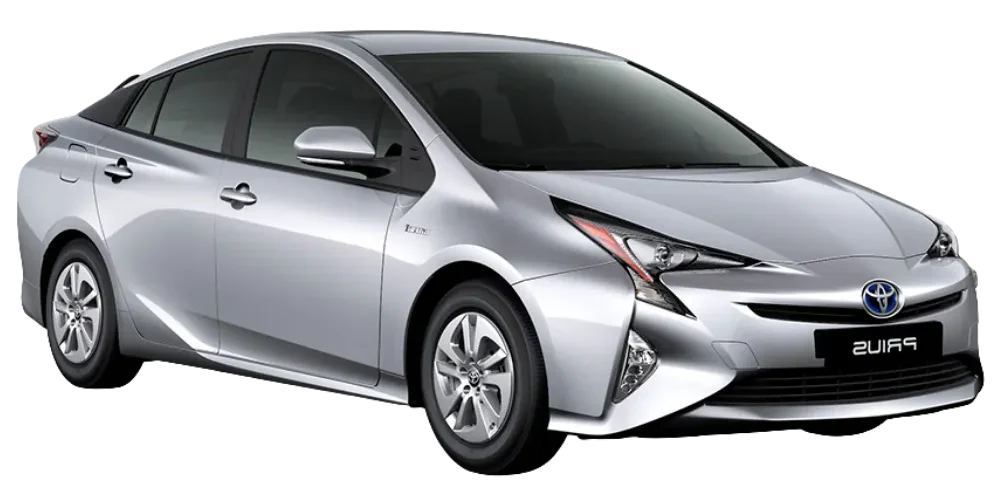
Common Toyota Prius Problems & How to Fix Them
Toyota Prius is known for fuel efficiency and reliability, but like any hybrid vehicle, it has some common, well-known issues. The good news is that most of these problems are predictable, fixable, and avoidable when handled by a Prius specialist. Below is a clear breakdown of the most common Prius problems and how to fix them the right way.
1. Hybrid Battery Failure
Problem:
Over time, the hybrid battery can weaken, causing warning lights, poor MPG, and sluggish performance.
How to Fix It:
- Run a hybrid battery diagnostic scan
- Replace or recondition the battery based on module health
- Always use Prius-compatible batteries with warranty
👉 Early diagnosis can save thousands.
2. ABS Actuator & Brake System Issues
Problem:
Brake warning lights, soft or stiff brake pedal, and unusual noises are common signs of ABS actuator failure, especially in Gen 2 and Gen 3 Prius models.
How to Fix It:
- Perform a Techstream diagnostic scan
- Replace the ABS actuator with OEM-quality parts
- Complete brake bleeding and calibration
👉 Ignoring this can compromise safety.
3. Head Gasket Failure (2010–2015)
Problem:
White smoke, coolant loss, rough cold starts, and misfires are common in Gen 3 Prius due to design and heat cycling.
How to Fix It:
- Pressure test and compression check
- Head gasket replacement with MLS gasket
- Clean EGR system to prevent repeat failure
👉 Early repair prevents full engine replacement.
4. EGR System Clogging
Problem:
Carbon buildup in the EGR valve and cooler causes misfires, knocking sounds, and reduced fuel economy.
How to Fix It:
- Full EGR cooler, valve, and pipe cleaning
- Throttle body inspection
- Preventive cleaning every 70k–100k miles
👉 This is one of the most cost-effective Prius services.
5. Inverter Cooling System Failure
Problem:
A failed inverter pump can cause overheating, warning lights, and limp mode.
How to Fix It:
- Inspect coolant flow and pump operation
- Replace inverter pump with OEM-quality unit
- Flush and refill inverter coolant
👉 This protects the inverter and hybrid battery.
6. Combination Meter (Dashboard) Failure
Problem:
Blank screen, flickering display, non-working speedometer, common in 2004–2009 Prius.
How to Fix It:
- Repair the original combination meter
- Replace internal capacitors or components
- Install refurbished unit if repair is not possible
👉 A working dashboard is essential for safe driving.
7. Warning Lights & Poor Performance
Problem:
Random warning lights, poor MPG, or sluggish driving often confuse Prius owners.
How to Fix It:
- Run a complete Prius diagnostic scan
- Check battery health, inverter, sensors, and cooling system
- Fix only what’s needed, no guesswork
👉 Diagnostics always come before repairs.
Why Prius-Specific Repairs Matter
Prius is not a regular car. Its hybrid system, regenerative braking, inverter, and battery management require:
- Prius-trained technicians
- Hybrid-safe tools
- Model-specific repair procedures
General mechanics often miss hybrid-specific faults.
Final Thoughts
Most Toyota Prius problems are well-documented and preventable when diagnosed early. Regular inspections, diagnostic scans, and specialist care can keep your Prius reliable for 300,000+ miles.
If your Prius shows warning lights, performance issues, or unusual behavior, don’t wait. Start with a professional diagnostic scan and fix the issue before it becomes expensive.